Kunzite쿤자이트
The gemstone of divine love, filling the soul with serenity and gentle compassion.
- Origin
- Afghanistan, Brazil, Madagascar, USA
- Mohs Hardness
- 6.5 ~ 7.0
- Crystal Family
- Spodumene
About This Stone
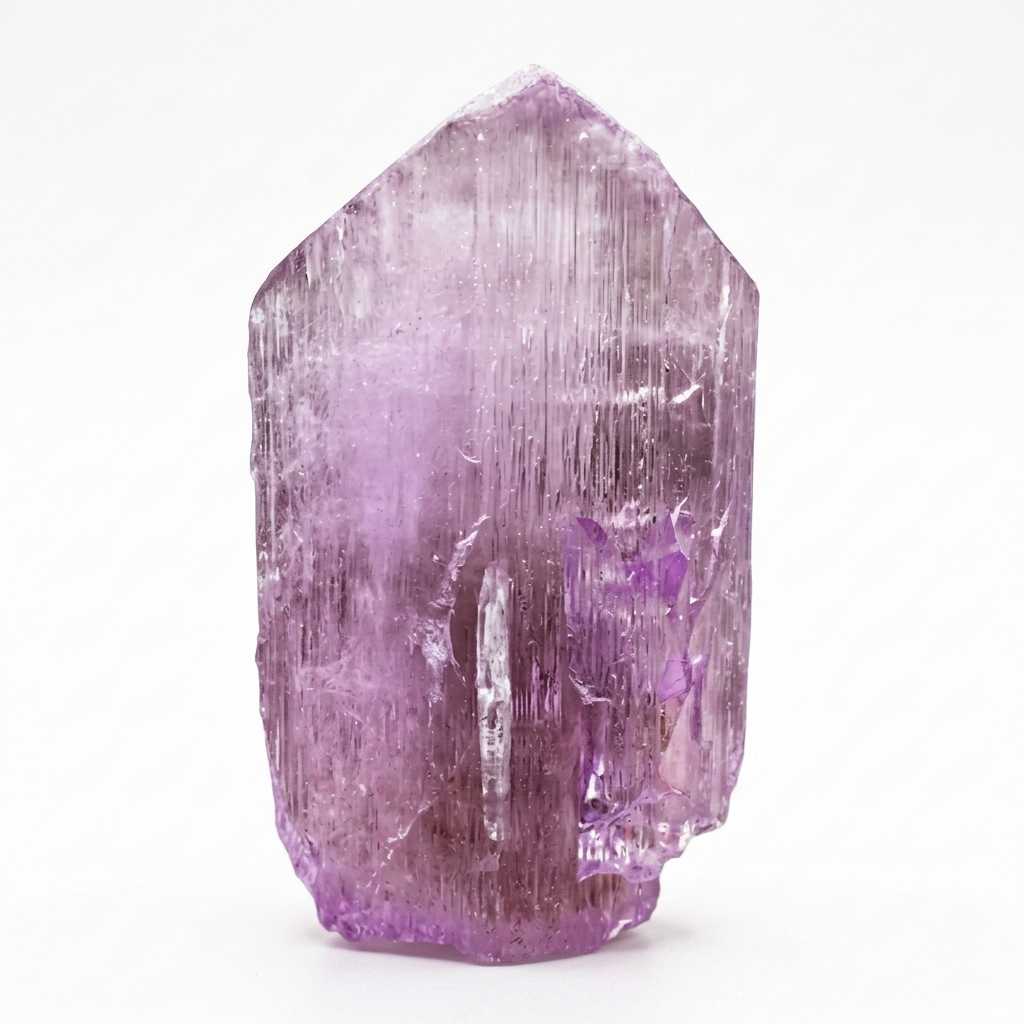
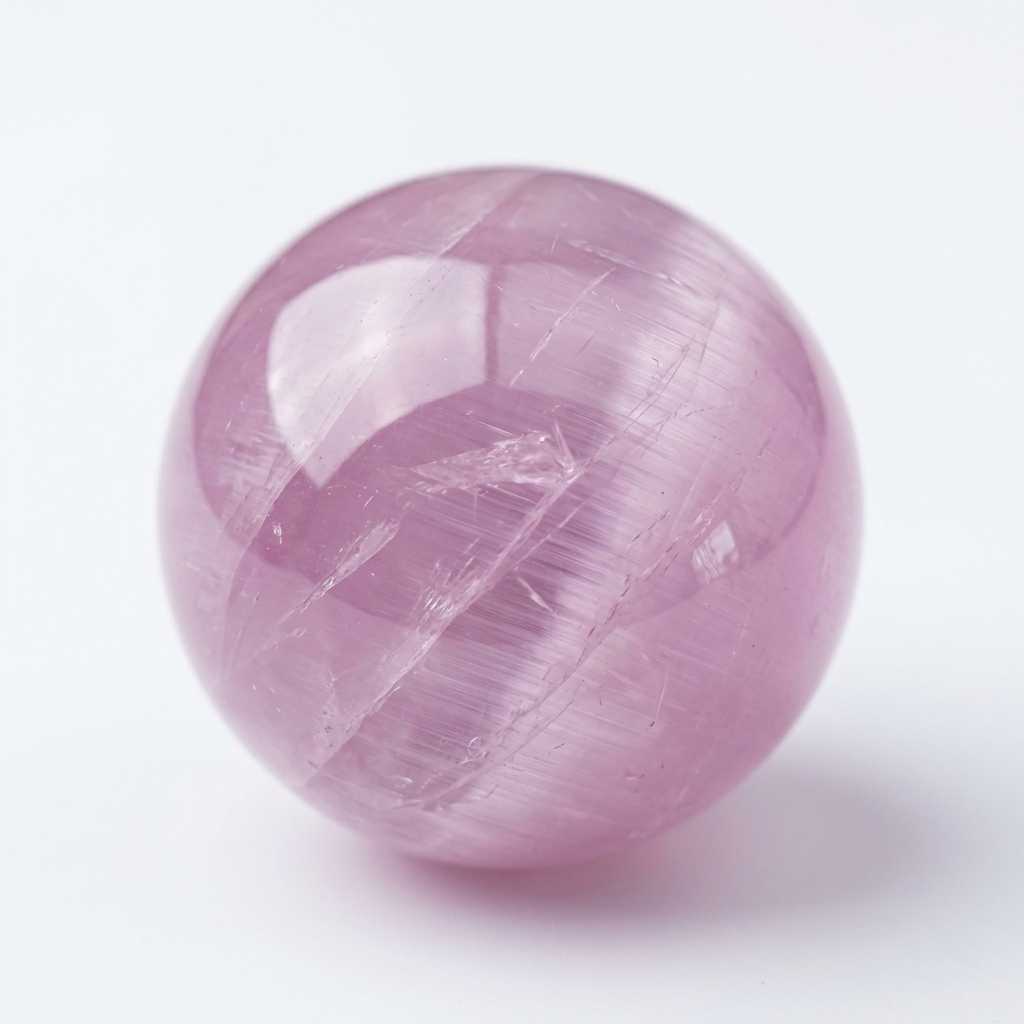
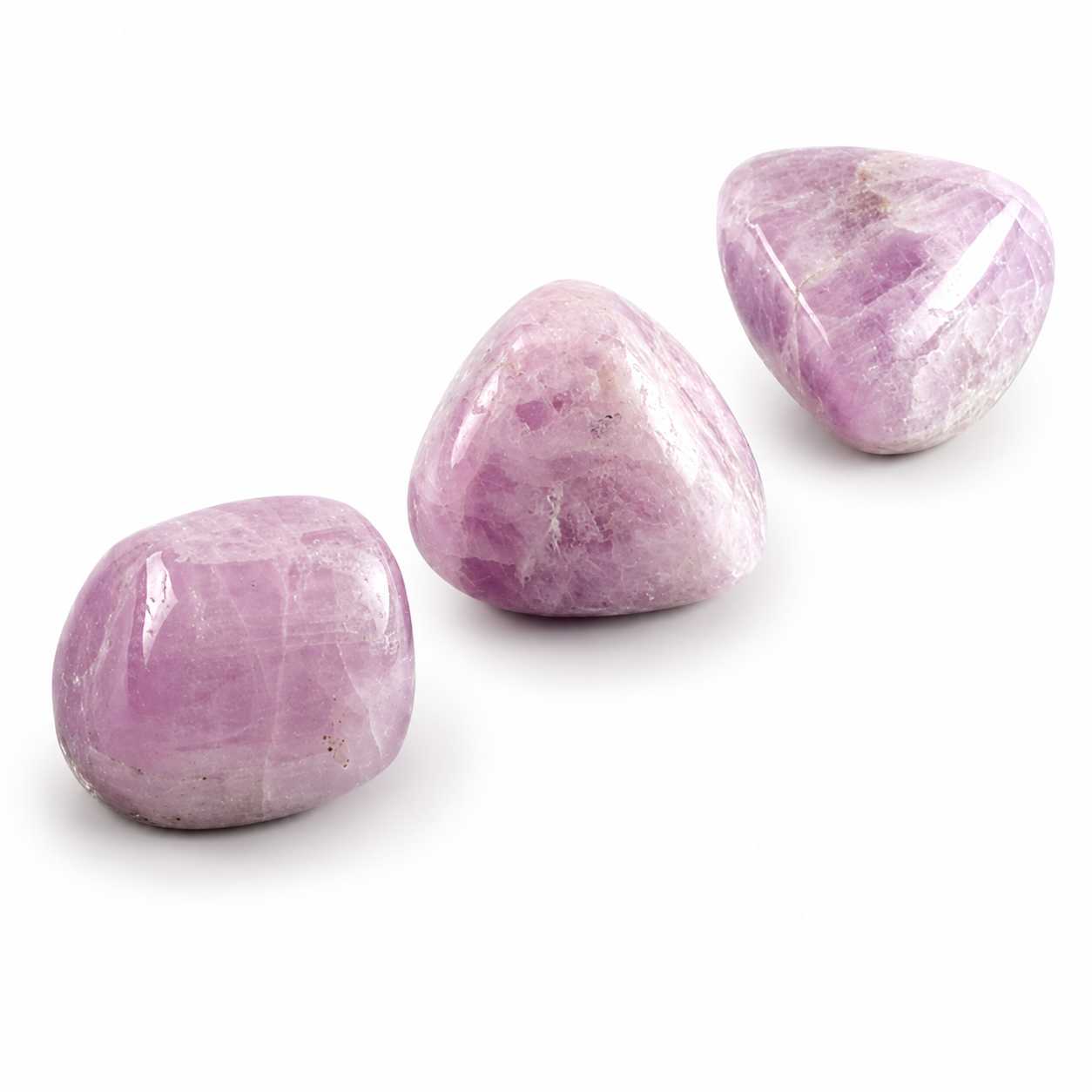
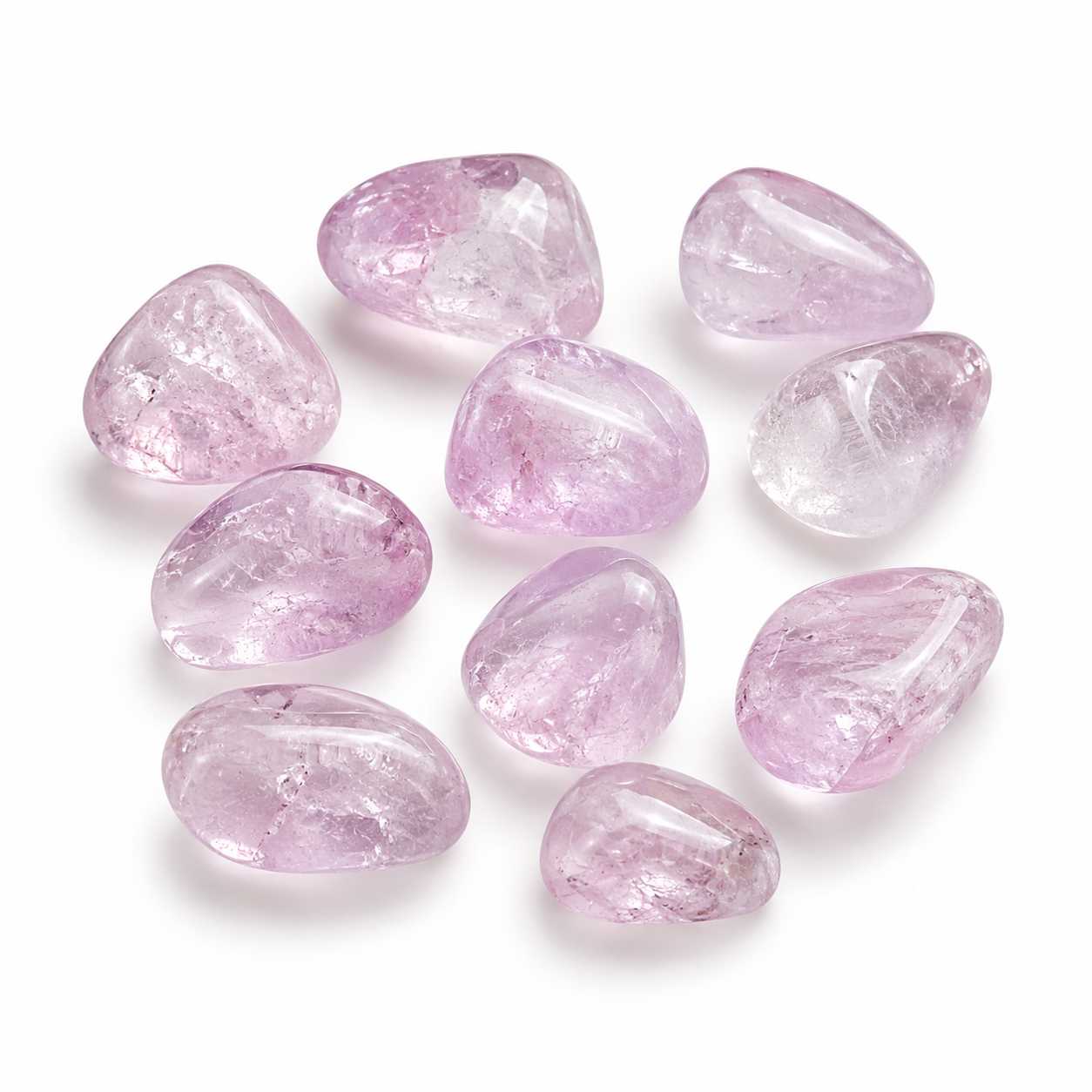
Kunzite was first identified in 1902 by renowned American gemologist George Frederick Kunz, after whom it was named. Despite its relatively recent discovery, its dreamy pink-to-violet hues have made it the most treasured variety of Spodumene. Kunzite is especially admired for its strong pleochroism, displaying different shades depending on the viewing angle.
Kunzite: Pink Serenity Holding Light
Love Always Begins in Soft Colors
In 1903, a lavender crystal was discovered in a mine in California, USA.
At the time, no one knew it would become Kunzite, named after George Kunz, rather than just another mineral.
From that moment, Kunzite transcended being a mere gemstone, becoming a symbol of love, serenity, and healing.
A Light Resembling the Heart
Kunzite possesses a pink hue that soothes the heart.
Formed as part of the lithium aluminum silicate mineral Spodumene, which contains trace amounts of manganese,
this gem flickers with deep pink in one direction and soft lilac tones in another.
This is not merely color, but a delicate flow of hues as subtle as human emotion.
Kunzite speaks softly:
“You are beautiful just as you are, right now.”
Where Did It Come From?
It began in Palooza, California, USA.
Later, it was discovered in the highlands of Madagascar, Brazil, Afghanistan, and Pakistan.
A gem that waited millions of years deep within the earth's crust,
dreaming of the moment it would shine under the sun.
It is a gem imbued with sincerity, equal to that time.
The embodiment of femininity and warmth
Kunzite instinctively evokes nurturing.
It soothes the anxieties of new mothers and calms a child's restlessness.
It stimulates the heart chakra, opening a space to learn love and forgiveness.
When cracks appear in relationships, it helps extend a hand again.
The Gem of the Night
Because its light gradually fades under sunlight,
Kunzite is called the ‘evening stone’.
It is a gem that shines brighter in the quiet hours
accompanied by moonlight, after the midday bustle has subsided.
Its light is, in essence, the inner peace felt as the day comes to a close.
Warmth for Body and Soul
Kunzite is said to benefit not only emotions but also the body.
It improves blood flow, supports the lungs, heart, and circulatory system,
and balances female hormones.
Placed gently under your pillow at night,
it can help you dream again.
A Pattern Crafted by Nature Itself
Kunzite embodies nature's asymmetrical perfection,
something machines could never replicate.
This gemstone, whose color shifts depending on the angle,
holds a complex yet beautiful depth of emotion,
much like the many facets of a single person's face.
The World Still Doesn't Know This Name
Kunzite is a relatively recent addition to the world of gemstones.
Therefore, it still holds an undiscovered charm.
It is a gem that invites you to look within your own heart,
rather than simply capturing someone's gaze.
Now, let its quiet light rest upon your fingertips.
If the unseen could be spoken through light, it would be Kunzite.