Cinnabar주사
The Merchant's Stone, attracting prosperity, abundance, and vibrant life force.
- Origin
- China, Spain, USA, Egypt
- Mohs Hardness
- 2.0 ~ 2.5
- Crystal Family
- Mercury Sulfide
About This Stone
Cinnabar, also known as Vermilion Ore, has been treasured across Eastern and Western civilizations for thousands of years. In ancient China, it played a central role in Taoist alchemy and was used in sacred talismans believed to ward off misfortune and attract blessings. In the West, its brilliant scarlet color made it the primary source of the prized Vermilion pigment used by master painters.
Cinnabar
"The 'Merchant's Stone' That Draws in Abundance and Wealth, Condensing Vital Life Force"
| Element | Hardness | Main Origins | Main Colors |
|---|---|---|---|
| Fire | 2.0 ~ 2.5 | China, Spain, USA, Egypt | Scarlet red, deep brick red |
01. Introduction and History
Cinnabar has long been treated in both East and West as a stone of mysterious power. In ancient China, Taoist practitioners seeking immortality used it as a key ingredient in alchemy, and the royal court used ink mixed with cinnabar powder to write talismans meant to ward off misfortune and invite blessings. In the West, its intense red color made it the source material for the fine artists' pigment "vermilion." Formed from purified energy said to be condensed deep within the earth, it carries the nickname "the emperor's red."
02. Symbolism and Energy
Cinnabar symbolizes "wealth and prosperity" and "powerful protection." Known as the "merchant's stone," it's said to clear stagnant fortune and support business success.
- Key properties: Increased wealth and business luck, warding off bad energy, strengthened insight and persuasiveness.
- Direction of energy: Said to act as a powerful barrier, protecting its owner from outside negative attack. It's also said to awaken creative energy within its owner and channel it into practical, real-world benefit.
- Chakra connection: Root Chakra. Said to connect strongly to the earth's energy, stimulating survival instinct and turning anxiety into confidence.
03. Color and Quality
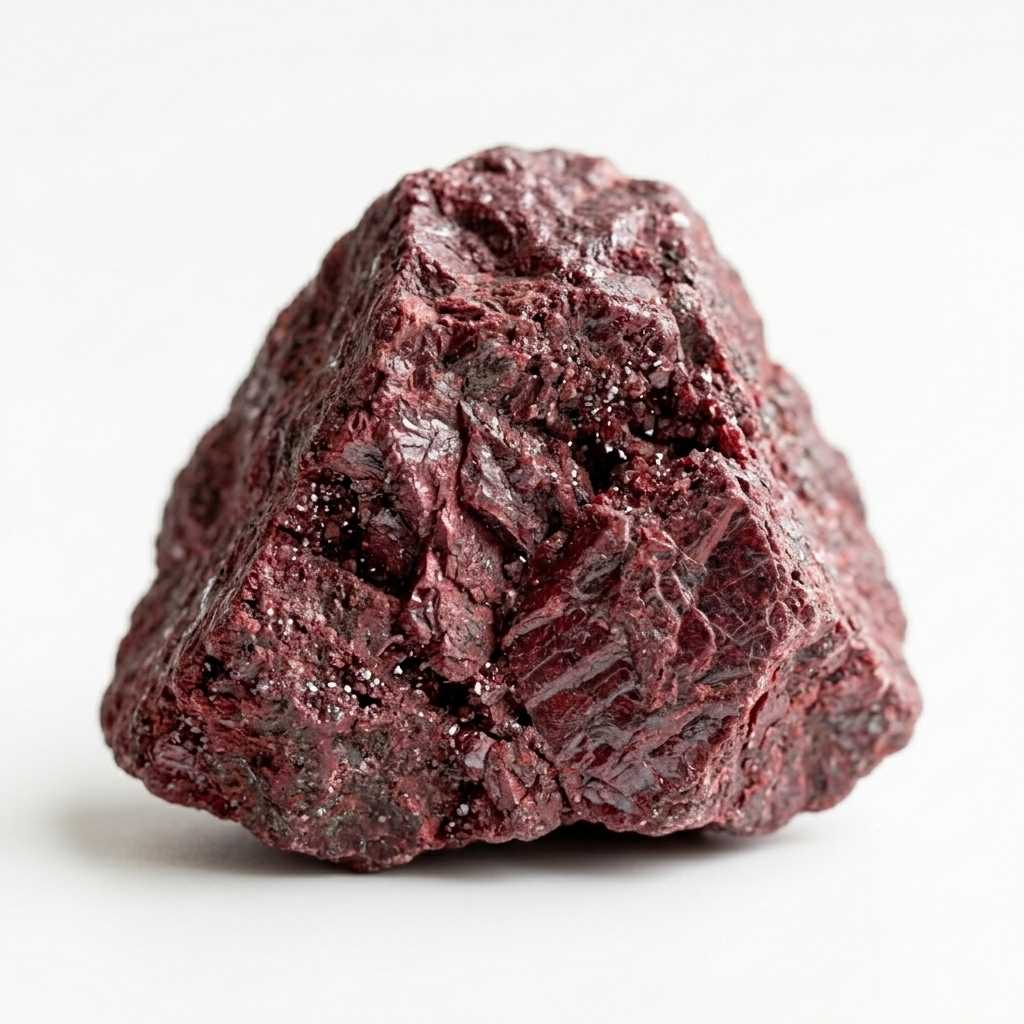
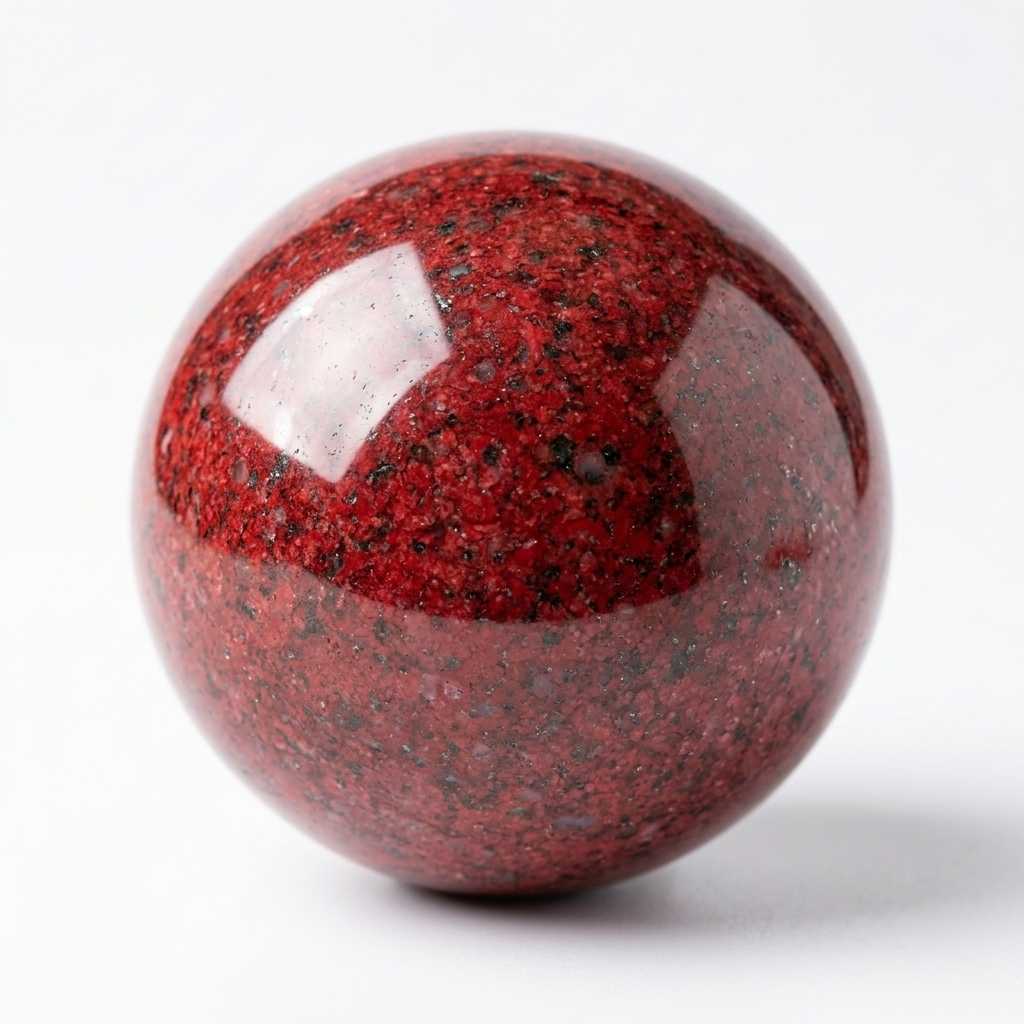
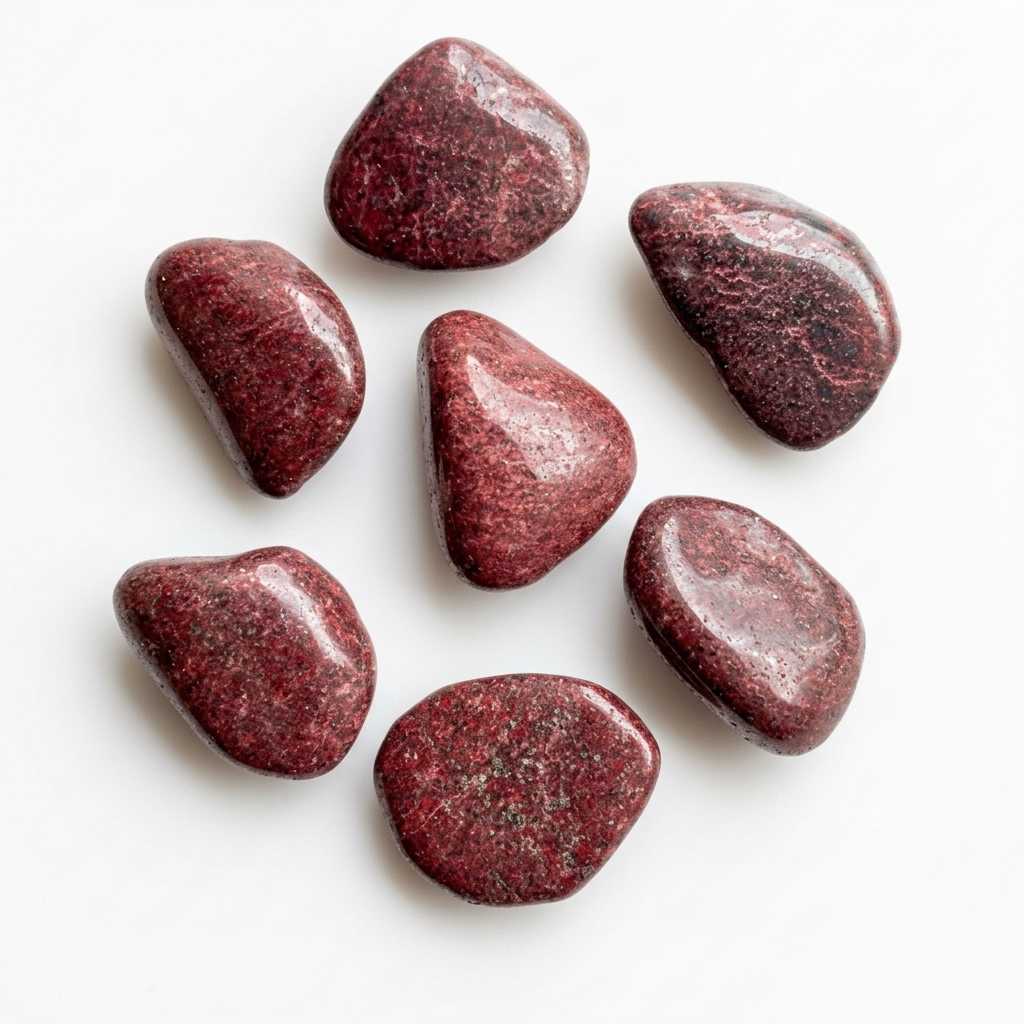
Cinnabar's charm lies in its deep, weighty red color.
- Visual characteristics: A deep red or brick color with a subtle metallic or glassy luster characteristic of the mineral. In modern times, for ease of handling and safety, cinnabar powder is often combined with natural resin and finely carved into decorative forms.
- Value assessment: Value depends on a clear, unclouded red color, and for carved pieces, on the fineness and craftsmanship of the carving.
04. Fortune Information
- Birthstone: Not an official birthstone, but treasured in East Asian tradition as a stone carried for "lifelong good fortune."
- Zodiac: Said to channel Scorpio's (Oct 24 – Nov 22) intense determination into success, and to enhance Leo's (Jul 23 – Aug 22) charisma.
- Five-elements affinity: A concentrated crystallization of Fire energy. An ideal shield and weapon for those whose birth chart lacks Fire and struggle with indecision, or who need protection from envy and jealousy around them.
05. Curation
- Pairs well with:
- + Gold Rutilated Quartz: Two wealth-drawing stones combine for maximum synergy in financial fortune.
- + Onyx: Onyx's calm restraint tempers cinnabar's explosive energy, supporting stable growth.
- Recommended use: Keep a small piece in a safe, on your office desk, or in your wallet. Said to smooth the flow of money and open a channel for unexpected good fortune.
06. Care Guide
Because of its composition, cinnabar needs especially careful handling.
- Cleaning: Avoid submerging it in water — simply wiping it gently with a soft, dry cloth is enough.
- Cleansing: Resting it on clear quartz chips or incense cleansing are recommended. (Salt or water cleansing is not recommended.)
- Precautions: Its hardness is very low, so it scratches or breaks easily. It also contains mercury (Hg), so never put it in your mouth or grind it into powder to ingest under any circumstances. Carved or coated pieces are fine for everyday wear, but a raw, unfinished stone is safer carried in a pocket or bag than worn directly against the skin. Heating it can release harmful gas, so keep it away from high heat as well.